
Published on:
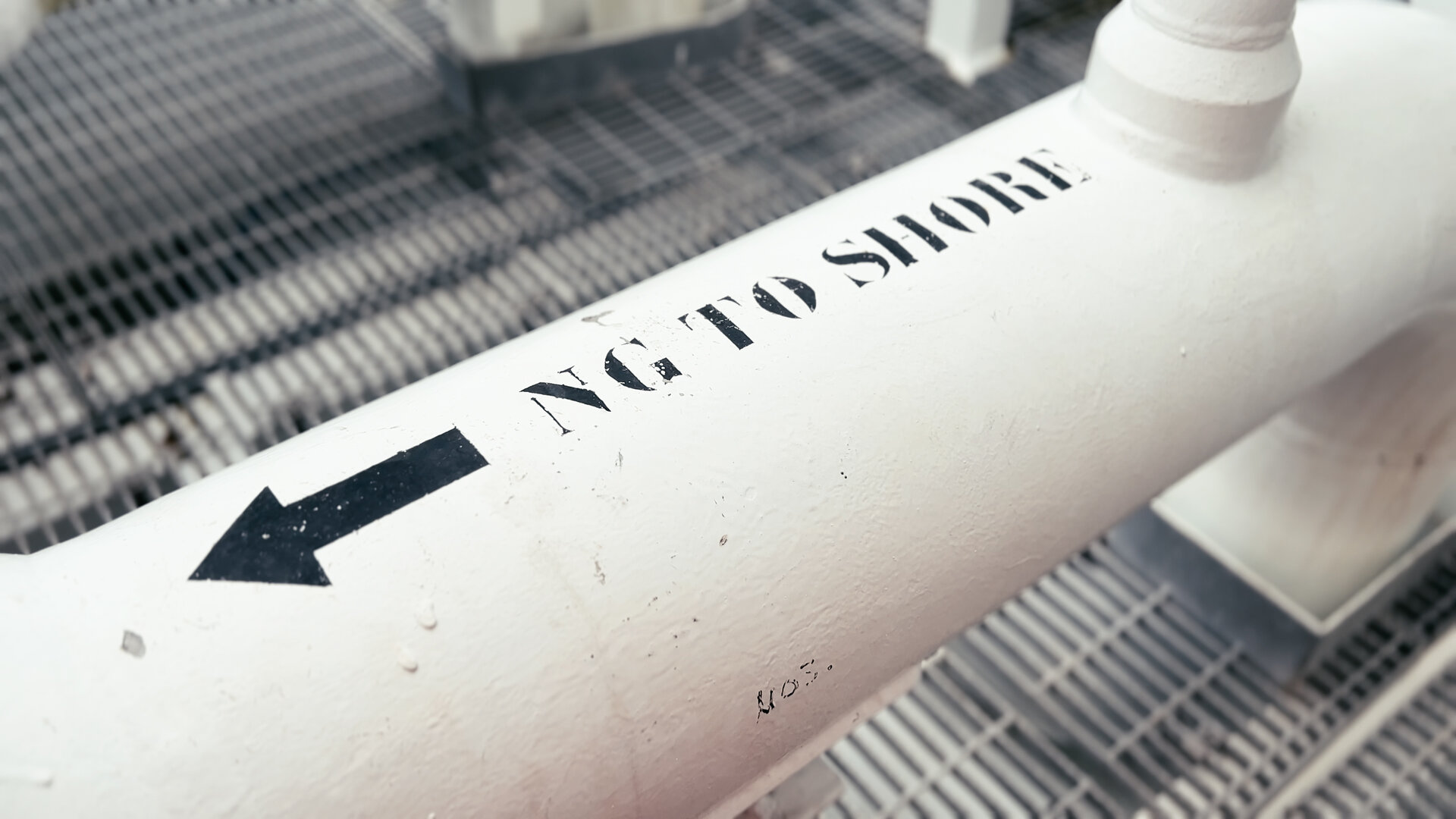
Germany’s new energy infrastructure offers flexible import options: liquefied natural gas (LNG) is produced around the world, transported to DET terminals and then distributed to different regions. A look at the supply process shows how LNG can contribute to price stability.
To produce LNG, natural gas is first extracted from naturally occurring underground reserves. At liquefaction facilities, the gas is then cooled to –162°C, causing it to become a liquid. Around 600 litres of natural gas are reduced to approximately one litre of LNG. This dramatic reduction in volume makes transportation by ship economically viable.
Specialised tankers transport LNG to terminals around the world, including DET’s terminals. Depending on the country of origin, the journey can take up to four weeks. Countries with large natural gas reserves are distributed across the globe and can serve as flexible sources of supply for Germany through the transportation of LNG by sea.
THROUGH THE GAS GRID TO HOUSEHOLDS
Once LNG arrives at one of DET’s sites, it is transferred to our floating LNG terminals. There, the LNG is warmed and converted back into its gaseous state before being fed into Germany’s high-pressure gas transmission network. At a pressure of around 100 bar, the gas is transported through these pipelines to distribution points, from where it is distributed across Germany.
Once the gas reaches its destination region, it is fed into regional gas pipelines and then into local distribution networks, ultimately reaching consumers. Along the way, the pressure of the natural gas is reduced several times at distribution facilities.
The pressure in the gas pipes supplying homes is typically between 16 and 30 millibars (mbar), corresponding to the operating pressure required by household gas appliances. This low pressure allows the gas to be burned safely and in a controlled manner in domestic boilers and gas cookers.
Because natural gas from our terminals is transported to regions across Germany, households in all federal states are already benefiting, in part, from LNG imports.