
Published on:
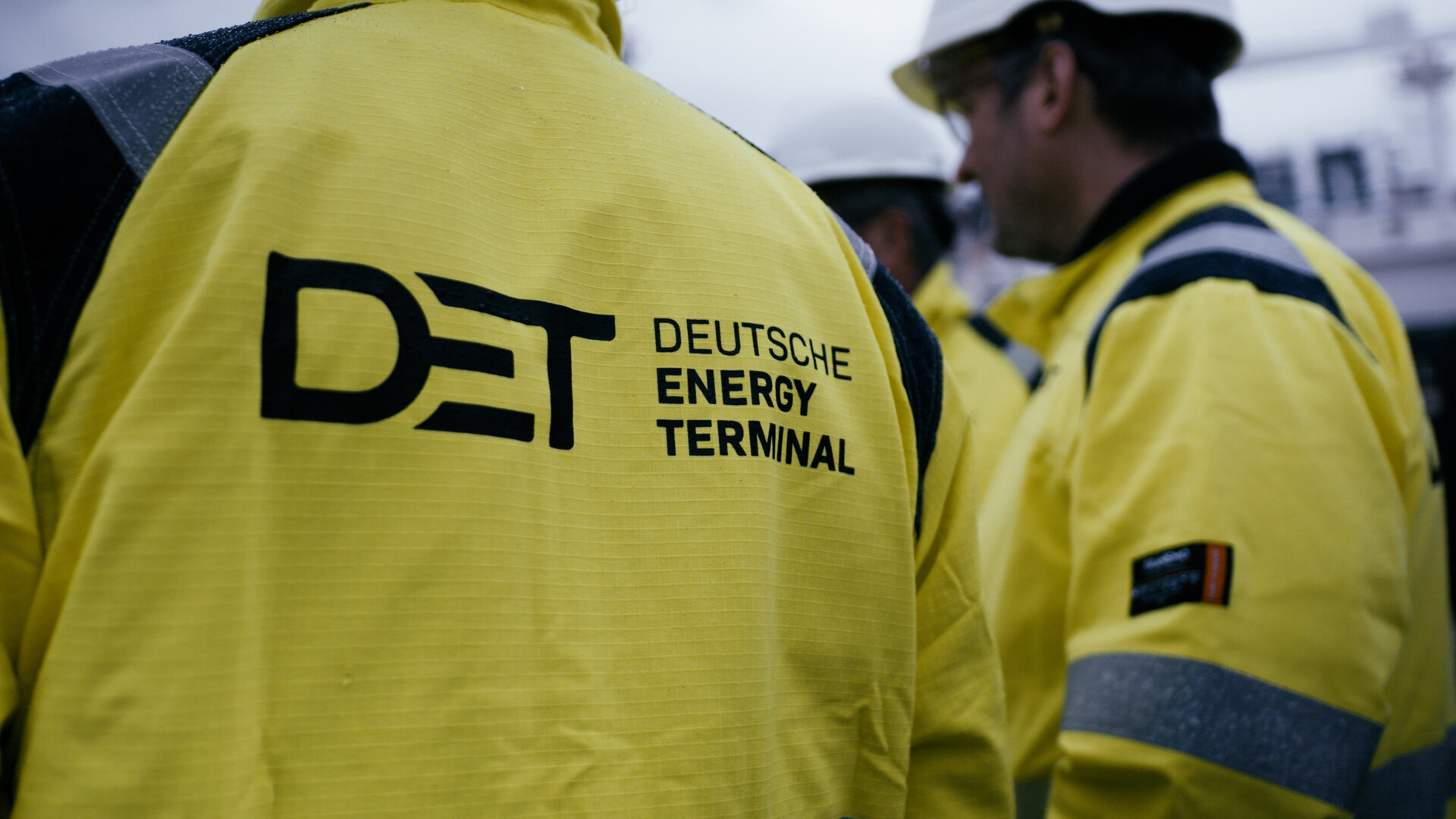
An LNG terminal operates around the clock and, apart from a few maintenance intervals, all year round. Responsibility for the safe and smooth operation of such a facility lies with the Terminal Manager. The role is highly varied, covering daily planning as well as continuous monitoring of all activities across the entire terminal site.
A key task is to identify potential risks early, act proactively and ensure that all operating procedures comply with permit conditions and safety requirements. The Terminal Manager coordinates the work of different teams and partner companies and makes sure that all processes stay within safe and efficient limits, without compromising the functionality or reliability of the facility.
Working with ship crews
A good example of this coordination task is overseeing LNG ship arrivals. The berthing and unloading itself is the responsibility of the master of the floating storage and regasification unit (FSRU) and their crew, together with the crew of the delivering LNG tanker. The Terminal Manager steps in as soon as difficulties arise: the task is then to respond quickly, keep communication between everyone involved running smoothly, state expectations clearly, find solutions to problems and, where necessary, suggest alternative approaches.
Strict regulatory framework
The operation of an LNG terminal is subject to very detailed operating permits, some of which set low threshold values, for example on noise. This shapes many operational decisions in day-to-day business. Notably, even where these values are already being met, work continues actively to reduce them further. The aim is therefore not just to meet legal requirements, but to keep the environmental impact as low as possible.
This combination of technology, organisation and interpersonal coordination is what makes the Terminal Manager's job so complex and, at the same time, so appealing.