
Published on:
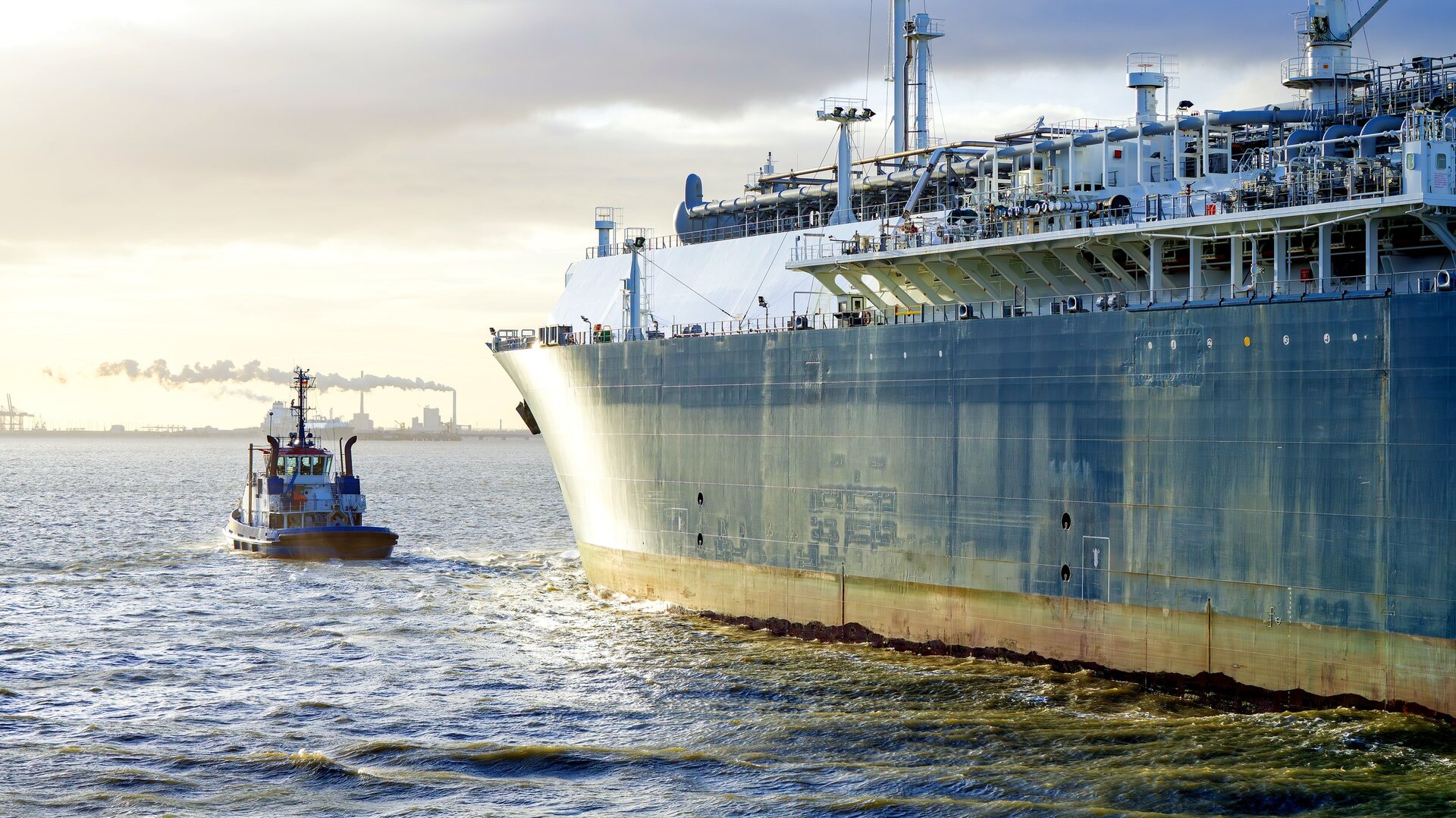
The operating mode of each LNG terminal is continuously optimised by DET and its partner companies to reduce emissions during operations. The aim is to minimise noise and light emissions on a permanent basis without compromising safety or technical performance. A wide range of operational procedures are also implemented for every LNG carrier arrival.
Optimised Procedures for Every Arrival
When an LNG carrier sets course for a DET terminal, preparations for berthing and cargo transfer are already well underway. Depending on the vessel, fleet management, operations and technical management meet at management level in advance to define measures for reducing emissions. This ensures that fans, compressors and generators are operated only when required for safe operations. Where possible, their output is reduced or they are switched off to keep noise levels as low as possible.
Preparations at Sea
While still at sea, the pressure in the carrier’s LNG tanks is reduced as far as possible. This lowers the likelihood that the vessel’s Gas Combustion Unit (GCU) will need to be used during its stay in port. Operating the GCU can be associated with increased noise levels.
Scheduled Arrival in Daylight
The arrival itself is also carefully planned. Where operational conditions permit, the vessel berths during daylight hours, and its time alongside is managed so that the carrier remains alongside the FSRU during daylight periods. This significantly reduces both nighttime light emissions and the perceived impact of noise.
From Berthing to Follow-Up
Further measures are implemented during berthing and cargo transfer. Vapour balancing between the carrier and the FSRU is maintained for as long as operationally appropriate, allowing excess gas to be used efficiently and helping to avoid the use of the GCU wherever possible.
The process does not end when the vessel departs. DET continuously and systematically analyses sound power levels based on previous vessel calls and monitors future arrivals as well. Regular follow-up reviews bring together and assess the findings, which are then translated into concrete measures for further improvement.
This creates a multi-layered approach in which technical and structural solutions, optimised procedures and continuous analysis work together. The goal is always the same: to keep the impact on the surrounding environment as low as possible.